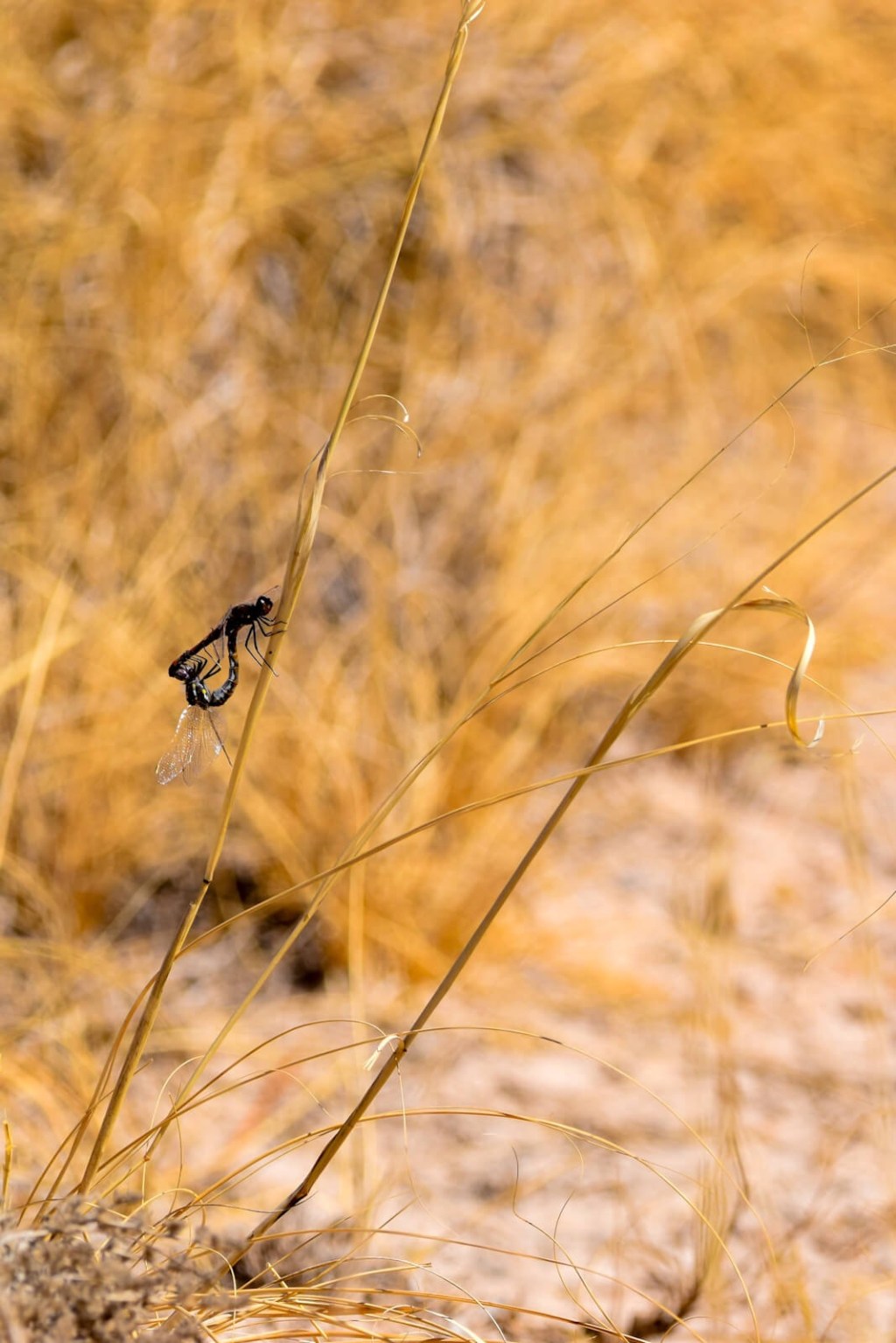
First of all, to the angry entomologists: Put the pitchforks down. Though dragonflies are insects, they aren’t actually bugs.
So what does that mean?
Let’s talk taxonomy: Dragonflies are classified within the phylum Arthropoda, with all the other bugs, true or untrue; the spiders, ticks, and scorpions; the centipedes and millipedes; and oh yeah, those delicious shrimp and lobster. Those examples are only the tiniest sampling of the largest grouping in the animal kingdom.
Sub-classifications make things increasingly specific. Dragonflies fall within the class Insecta, including a still impossibly large assortment of beetles, stick bugs, bees, flies, ants, butterflies, and mantids.
Oh, by the way- none of those are bugs.
In the strictest sense, that word only applies to members of the Hemiptera order, and can be confined even farther to the suborder Heteroptera. That leaves us with examples such as water striders, stinkbugs, and assassin bugs.
While purists draw that line, other entomologists have raised concerns about the rigidity of that stance, especially compared to the widespread colloquial use of the word bug for various arthropods in the English language. It’s an interesting debate that also illustrates some of the difficulties in the intersection of common and scientific names.
Anyway, whatever you’d like to call them, these dragonflies are trying very hard to make a Valentine’s Day heart for you. At least, that’s what we’ll tell the kids.


Leave a comment